Psychological horrorHorrorHorror puzzle2D horror
The Count Lucanor
Rate itGuess the kobold's name, and become the new Count Lucanor.
- Platforms
- PC, Mac, Linux, PlayStation, Xbox, Switch
- Stores
- Steam, GOG
- Price
- Paid
- Rated
- Very Positive on Steam (93% of 3,012 reviews); 78 on Metacritic; 4.4 of 5 on GOG; 3.9 of 5 on the PlayStation Store
- Players
- 1
- Made by
- Baroque Decay
- Released
- 2016
On PlayStation: one of the PlayStation horror games.
No. 15 of the hiding horror games · No. 10 of the castle horror games · No. 17 of the horror games about the dark · No. 14 of the fairy tale horror games · No. 4 of the candlelit horror games
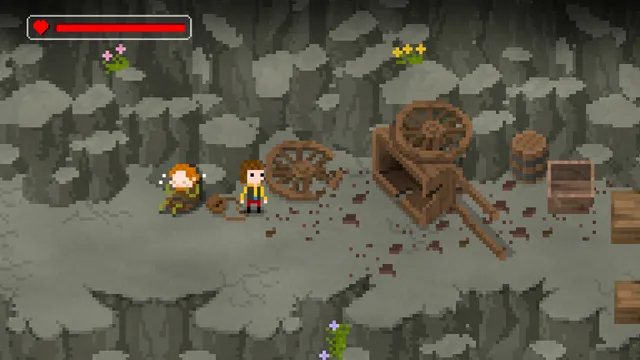
What frightens Young Hans follows a kobold into Tenebre Castle and must guess its name to inherit its wealth. Monsters stalk the pitch-black corridors, candles are few, and saving costs gold; the rooms hold traps, bloody sights and characters with sordid secrets in a fairy tale that turns ever darker.
Content: violence, blood and gore, bad language, alcohol and tobacco use, a few loud sound effects.
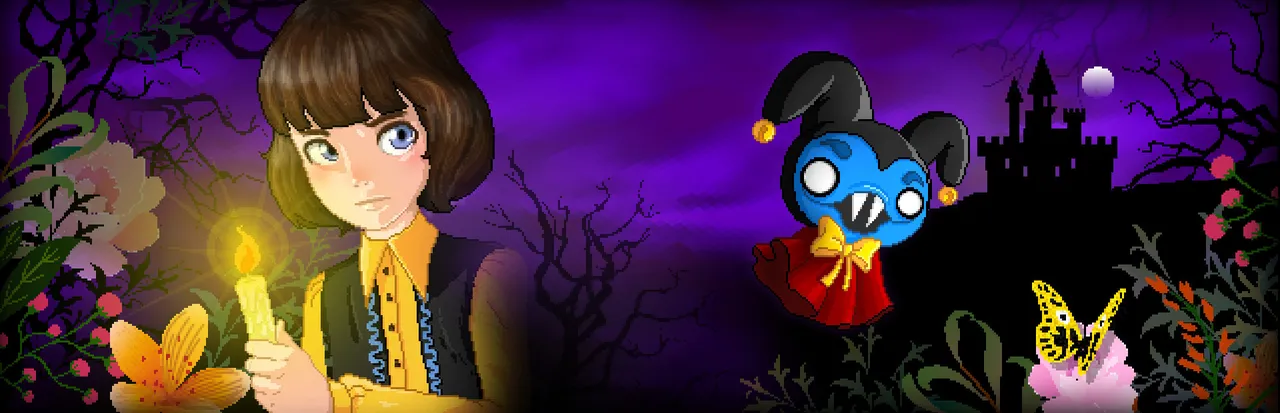
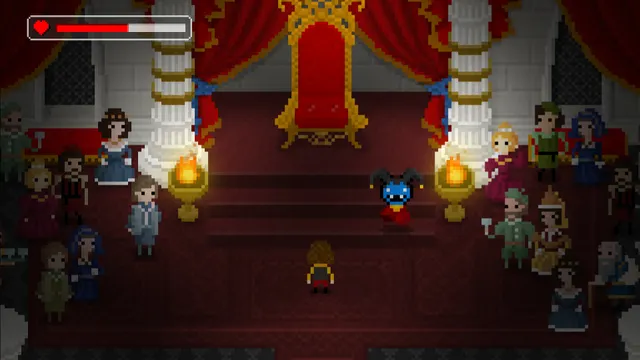
The Count Lucanor is a pixel-art horror adventure by Baroque Decay. On his birthday, a poor boy named Hans runs away from home, follows a kobold to a castle and is told he will inherit a fortune if he can guess the creature's name, but the castle hides sordid secrets and horror lurks beneath its fairy tale.
About The Count Lucanor
The Count Lucanor is a horror adventure by Baroque Decay, released on Steam in March 2016 for PC and Linux, and also sold for Mac on GOG. Ports followed, made with Ratalaika Games: Nintendo Switch in October 2017, PlayStation 4 in November 2017 and Xbox One in March 2018. Its makers name The Legend of Zelda, Yume Nikki, Silent Hill and Dark Souls among their inspirations.
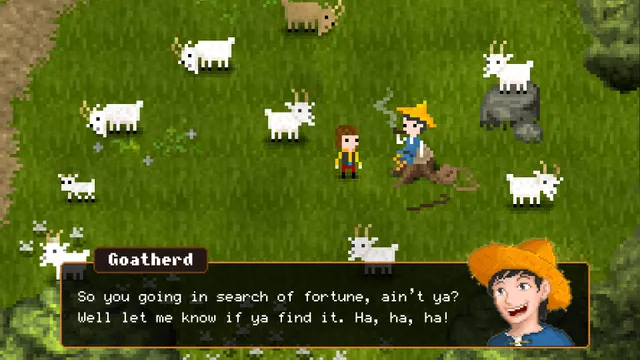
Once upon a time, a poor boy named Hans had no presents on his birthday and left home for good, carrying his grandfather's cane, some cheese and three pieces of gold. Night fell in the forest, and as he tried to go back he met a kobold who led him to a castle. If Hans can guess the kobold's name, he will inherit great wealth. Trapped inside, he lives through a mystery that becomes a horror story.
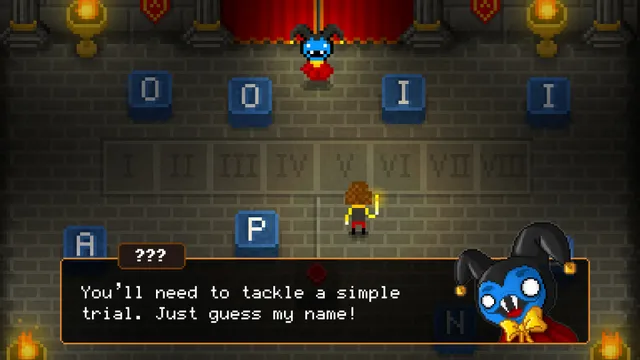
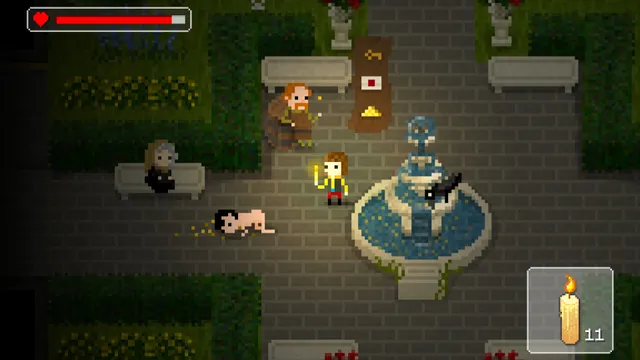
You explore Tenebre Castle from above. Most rooms hold a puzzle, and solving one earns a letter of the kobold's name; some you must leave and come back to once you have found the right item. Characters you first meet in a short prologue give you hints, and how you treated them there changes how they treat you in the castle. Your choices lead to one of five endings, with several subplots along the way.
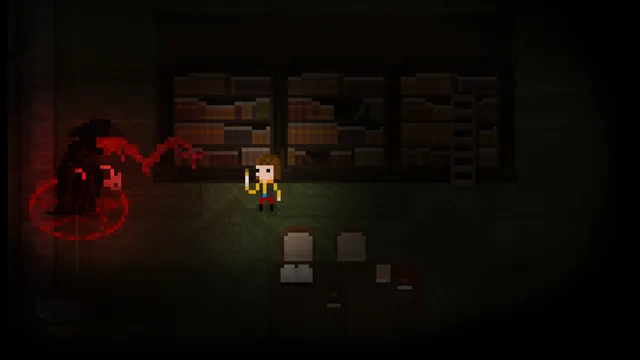
Before long, monsters stalk the castle's dark corridors. You cannot fight them: you place candles to light the way, hide under tables and behind curtains, and avoid traps by seeing them coming. Candles are limited, and saving costs a gold coin paid to a raven, so you keep weighing safety now against supplies for later. The soundtrack turns pieces by Johann Sebastian Bach into chiptune.
Its bright fairy-tale look makes the turns into blood and cruelty land harder, and the mood is creepy and macabre more than full of jumpscares. A first run takes about three and a half hours. It suits players who liked Mad Father, Ib or Yume Nikki and want a short, choice-driven horror story to replay for its other endings.
How to play The Count Lucanor
- Buy it on Steam, GOG, the PlayStation Store, Xbox or the Nintendo eShop.
- Explore Tenebre Castle as Hans, placing candles on the ground to light your way.
- Solve the puzzle in each room to earn a letter of the kobold's name, and come back to puzzles you cannot finish yet.
- Talk to the castle's characters for hints, and hide from the monsters under tables or behind curtains.
- Pay the raven a gold coin to save, then guess the kobold's name; your choices decide which of the five endings you reach.
Screenshots
Tips
- Candles are limited: space them out so each one lights as much of the corridor as possible.
- Save with the raven before risky rooms, since a monster that catches you is hard to escape, but keep a few coins for later.
- Be careful how you treat the people you meet in the prologue; they remember it inside the castle.
- Replay to see the other endings and subplots, which a first run easily misses.
Questions
How long is The Count Lucanor?
About three and a half hours for the main story and around six hours to see everything, by HowLongToBeat's figures.
How many endings does The Count Lucanor have?
Five, according to the store, along with several subplots.
Is The Count Lucanor scary?
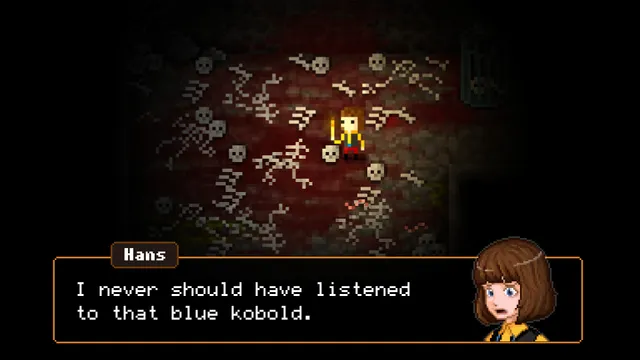
It starts as a fairy tale and turns into psychological horror: monsters stalk dark corridors you cannot fight, and there are bloody, gruesome moments, shown in pixel art. It is rated Teen by the ESRB and 12 by PEGI.
What platforms is The Count Lucanor on?
PC and Linux on Steam, PC, Mac and Linux on GOG, PlayStation 4 (also playable on PS5), Xbox One and Xbox Series X|S, and Nintendo Switch.
Ratings and reviews
No ratings yet. Be the first to rate The Count Lucanor.
If The Count Lucanor frightened you
Ib
A child trapped in a place whose secrets turn deadly, explored top-down in pixel art with…
PC / Switch / PlayStation
The Witch's House MV
A girl in a sinister house where cute pixels hide grisly deaths and puzzles in every room
PC / Mac / PlayStation / Xbox / Switch
Yuppie Psycho: Executive Edition
Also by Baroque Decay, sold with it on Steam as the Baroque Decay Collection: another pixel-art…
PC / Mac / Linux / Switch / PlayStation / Xbox

Children of Silentown
A dark fairy tale of a child, a sinister place and the secrets behind it
PC / PlayStation / Xbox / Switch

Pocket Mirror ~ GoldenerTraum
Wake in a dreamlike mansion with only a pocket mirror, and find out who you were.
PC / Mac / PlayStation / Switch
Burnhouse Lane
A dying nurse takes on five impossible tasks to win her life back.
PC / PlayStation / Xbox / Switch
More psychological horror games
- A Chair in a Room: Greenwater
- A.I.L.A
- Ad Infinitum
- Alan Wake 2
- Alan Wake Remastered
- Alone in the Dark
- Amnesia: A Machine for Pigs
- Amnesia: Rebirth
- Amnesia: The Dark Descent
- Among Ashes
- Among the Sleep
- Angels of Death